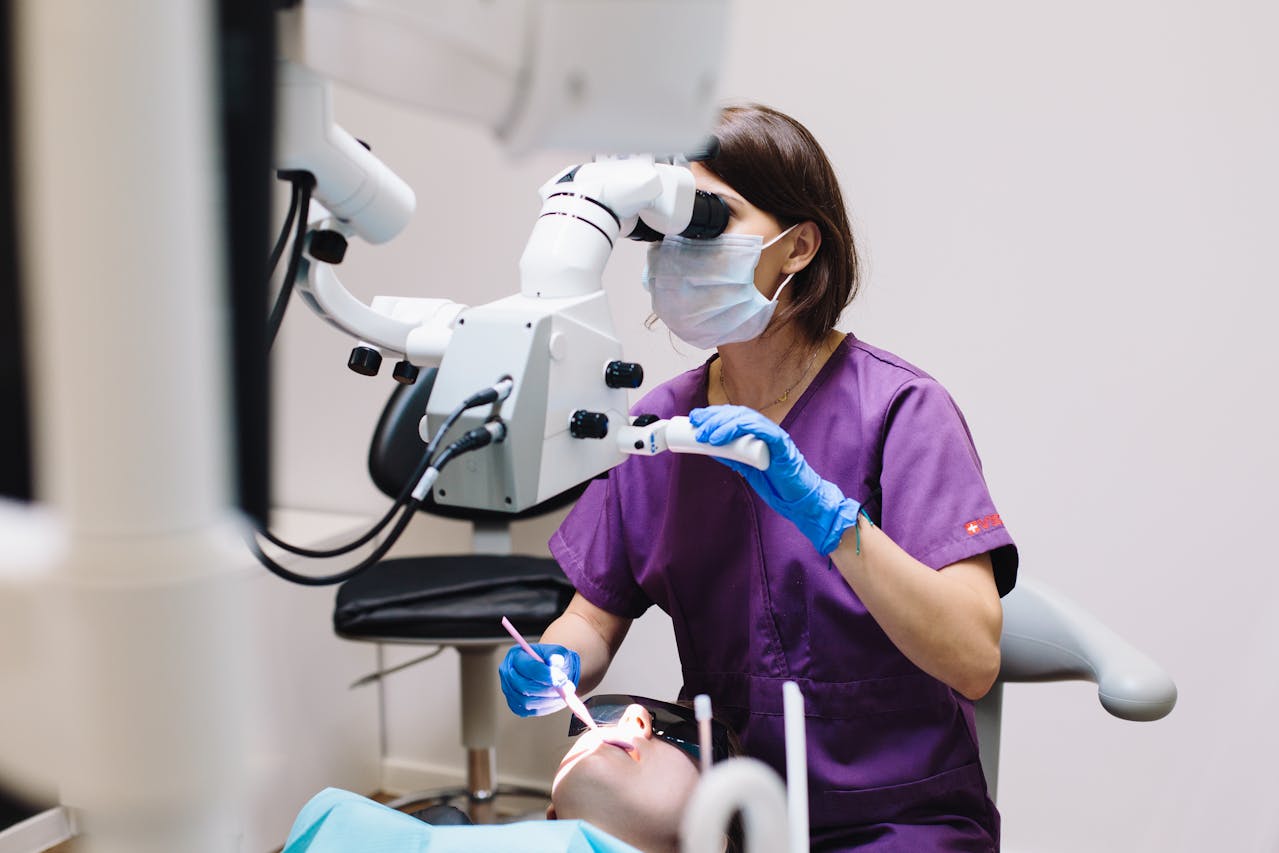
Dentists sit for most of the day, often leaning over patients for long stretches. Over time, this can take a toll on the body. Neck and back strain, tight hips, and sore shoulders are common complaints we hear from clinics trying to find ways to make their workdays more manageable. That is why the conversation around seating is becoming more important, especially for practices focusing on long-term comfort and performance.
As more dental practices look for better support during treatments, saddle stools in Canada are becoming a popular solution. These stools offer a simple but effective way to sit more upright while still moving comfortably around the operatory. They are built for balance, mobility, and posture all at once, which can make a big difference during those longer procedures.
Sitting properly for hours can be more challenging than it seems. Improper seating posture or chairs that do not provide adequate support can exacerbate muscular discomfort and tiredness. Many dental health professionals have realized that investing in ergonomic seating has a noticeable impact not only on their health but also on job satisfaction and workflow.
How Saddle Stools Help With Posture
Good posture matters more than we might notice at first. Over time, sitting with poor alignment can lead to ongoing discomfort and fatigue. Saddle stools are shaped differently from standard chairs to help reduce this kind of strain.
• The raised, angled seat keeps the thighs in a downward position, which tilts the pelvis slightly forward and supports natural spinal alignment
• This seat design lets us sit upright without needing to constantly hold our posture with upper-back muscles
• By supporting an open hip angle, the stool makes balance feel more natural and encourages alert, upright sitting during long procedures
With better spine alignment and fewer pressure points, the body does not have to fight gravity as much throughout the day. For many dentists, this deeper kind of support helps with focus during care and allows them to avoid unnecessary twisting or hunching over their work. Maintaining the body’s natural S-curve becomes easier, helping to distribute weight evenly throughout the spine and hips.
Furthermore, sitting on a saddle stool encourages movement. Because it creates a micro-balance effect, the user is required to make subtle adjustments and shifts in position, which can minimize the onset of muscle fatigue from static sitting. This dynamic sitting can support better circulation and long-term well-being.
Keeping Comfortable During Long Procedures
We all know how it feels to be locked into one position for too long. Muscles stiffen, backs feel tight, and energy starts to drop. The right seating can help with this too. Saddle stools allow more movement compared to traditional chairs, which keeps the body more active while still seated.
• The seat’s shape allows small side-to-side shifts that help prevent muscle fatigue
• The open leg position makes it easier to reach or reposition without needing to stand up
• Because the posture is naturally upright, it is easier to drive motion from the core instead of slouching forward through the shoulders
Over time, less strain on the joints and muscles means fewer aches after a full schedule. It is a simple shift in posture that helps support the whole body during long or repetitive procedures.
Staying comfortable through long appointments is not just about the seat but about the ability to move and adjust as needed. These micro-movements during procedures can counteract muscle stiffness, and finding a position that feels natural and balanced is key. With saddle stools, dentists often find it easier to reach instruments, turn toward assistants, and maintain proper alignment even as patient positions shift throughout the day. Being able to transition smoothly between different tasks without needing to stand up or reposition the entire body means less physical interruption and more consistent care.
Adjusting to a New Way of Sitting
Switching to a saddle stool is a change. At first, it might feel unusual, especially for those of us used to soft or flat seats. But with time, this new way of sitting often becomes easier and more supportive.
• The posture requires more engagement from core muscles, which may feel tiring at first but builds strength quickly
• Learning how to adjust the height and tilt helps the stool work with your frame instead of against it
• With repeated use, the seat starts to feel more natural and the body starts responding with better posture and comfort
Comfort might not come right away, but we have seen time and time again that regular use helps the body adapt and respond in helpful ways. The adjustment period often includes learning to relax the upper body and rely more on the core, finding the correct seat height, and ensuring knees and hips remain comfortably open. Taking the time to understand proper stool alignment and experimenting with different positions can help make the transition smoother.
Gradual acclimation is recommended. Many dental professionals benefit from alternating between their existing chair and the saddle stool during the first few weeks, allowing their bodies to adjust to the new seating approach. Paying attention to signals from your body and making incremental changes can lead to a much more comfortable and productive workday in the long term.
What to Consider When Choosing a Stool
Not every saddle stool is built the same. What works for one dentist might not suit another. For the best fit, we always recommend checking for a few basic factors that can affect the experience.
• Body size and frame make a difference, some seats are better for taller or shorter users
• Look for easy-to-clean materials that can stand up to clinical settings and disinfecting routines
• Spend time using the stool in actual procedures to see how it performs in real work situations
Trying something new is always easier when we can test how it fits into our daily patterns. A stool is not just a seat, it is part of the workflow, so it should work with how we move and care for our patients.
Test-driving a stool, even briefly, can quickly highlight whether the seat size, tilt, and cushion shape provide the intended ergonomic benefits. Additionally, the stool’s base and casters should offer mobility that matches the specific needs of the workspace, some clinics have more obstacles and tighter spaces where a stable yet responsive stool is essential. It is important to also pay attention to the range of height adjustment available, as this directly impacts both comfort and function at the chairside.
ProNorth Medical: Saddle Stool Features for Dentistry
At ProNorth Medical, our dental saddle stools are made with height adjustability, smooth rolling casters, sturdy frames, and ergonomic seat shapes for stronger posture support. We prioritize durable, easy-clean vinyl and smooth surfaces that endure repeated disinfection, ideal for busy clinics and changing Canadian seasons. Clinics across Canada can rely on fast shipping and personalized customer service to help find the stool that fits their team.
Our dental saddle stools are designed with features that make adaptation easier, such as gentle seat curvature for prolonged comfort, silent rolling casters for uninterrupted movements, and user-friendly levers to allow for rapid adjustment between different positions. Adjustable tilt mechanisms mean that each clinician can customize their seat for their precise needs, helping to avoid the discomfort that arises from “one-size-fits-all” options.
With the Canadian climate and regulations in mind, our construction prioritizes antimicrobial upholstery and seamless surface transitions for thorough cleaning. The goal is a practical, sturdy, and hygienic solution that will excel in fast-paced dental environments.
Support Where It Matters Most
A well-chosen stool supports much more than just our seat bones. It helps us stay focused, alert, and comfortable through long appointments. The right support can increase how smoothly we move through each patient interaction and how our body feels at the end of the day.
Using posture to our advantage instead of working against it means fewer distractions, fewer adjustments, and fewer physical complaints down the line. Saddle stools offer one simple way to do that.
Small improvements like these do not just matter in the moment, they add up. The more comfortably we can sit and move, the longer we can do our best work without interruptions from fatigue or discomfort.
At ProNorth Medical, we believe that simple changes can make a real difference in your clinic’s everyday comfort and efficiency. Choosing the right seating is an important step, and our selection of saddle stools in Canada offers purposeful support exactly where you need it. Have questions or want help deciding what works best? Reach out to our team, we are here to help.


Leave a comment
This site is protected by hCaptcha and the hCaptcha Privacy Policy and Terms of Service apply.