In dental clinics, surgical blades are one of those tools we reach for often. They might look simple at first glance, but they come with their own set of responsibilities. Safe use starts before the blade touches tissue and continues until it's safely disposed of. Mistakes during handling don’t just slow things down, they put both the patient and the provider at risk.
Choosing the right habits when working with surgical blades can make a big difference throughout the day. It’s not just about getting the job done. It's about doing it steadily, protecting soft tissue, and keeping the environment safer for everyone in the room. When everyone in a clinic understands and practices proper surgical blade techniques, the overall atmosphere of safety and efficiency improves. Even though protocols can sometimes seem repetitive, returning to the basics helps reduce the chance for human error.
Choosing the Right Blade for the Job
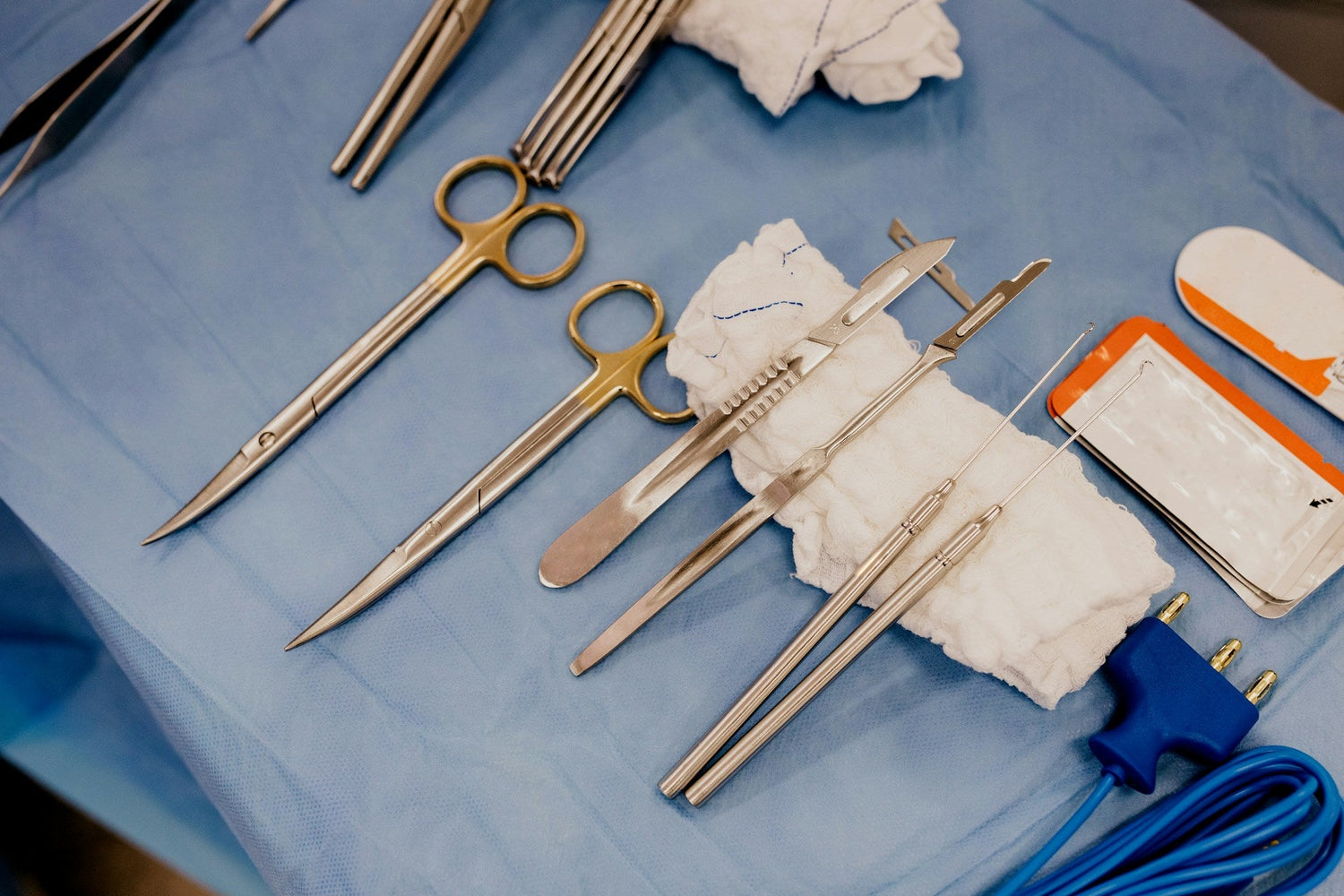
Not every blade handles the same task. Knowing which one suits each situation helps us work faster and more precisely. In a busy dental clinic, we often lean on blades for small incisions, extractions, or prepping a site for suturing.
• A No. 15 blade is popular for its curved edge, making it easier to control when shaping small cuts along soft tissue.
• For larger incisions, something longer like a No. 10 blade may provide better access without repeated strokes.
• If we’re dealing with tight angles or harder-to-reach spots, smaller profiles can offer better visibility and reach.
Dentistry calls for accuracy with each cut, and using the correct blade for every task means smoother procedures and less corrective work later. Selection is not just about size or appearance. It pays to check compatibility with the handles stocked in your operatory. Having additional blade types on hand, rather than just one default, makes it easier to handle diverse cases.
It’s all about matching the blade to the procedure. If something doesn’t feel quite right, it’s worth checking the product guide or asking a colleague before moving forward. The wrong shape or size can increase the risk of slips or uneven cuts. Remembering to regularly review your blade inventory and update your team on blade types can prevent confusion when things get busy.
Handling and Setup Before Use
Before we even start working, we take a careful look at the surgical blade. A clean, intact blade is non-negotiable. Any sign of rust, bending, or manufacturing issues means it needs to be replaced.
• Always open blade packaging in a dry, steady area to limit the risk of dropping or tearing the wrapper too quickly.
• Slide the blade carefully onto the handle using a clamp or tool built for the task, never fingers alone.
• Keep your setup tidy and always set the blade on a flat, sterile surface when not in use.
Before placing the blade into use, confirm the locking mechanism of the handle is secure and that the fit is tight. Never force a blade onto a handle, as damage can occur to both the blade and the handle, leading to potential failure during a procedure. Even during a rushed day, taking these extra moments before use reduces the risk of injury and accidents. Setting up equipment in a consistent manner each time can also create habits that increase safety and reduce the chance of making avoidable mistakes during busy times. These setup rituals become part of a workflow that supports both personal safety and smooth patient care.
When we've got patients rotating in and out, workflow can be fast. But clean setup habits help lower risk every time we pick up a fresh tool. It helps to designate a dedicated area for all sharp tools before and after procedures, so everyone on the team knows where to safely retrieve or return blades.
Safety Tips During a Procedure
Once we’re using the blade, control is everything. Movement needs to be steady, not rushed, even with experience. The softer the tissue, the more careful the motion should be. In dental work, we’re often operating in small spaces, so hand position makes a difference.
• Keep non-cutting fingers tucked away from the blade’s path and stay mindful of retraction tools.
• Try to cut gently into tissue, never jab or apply force at odd angles.
• Stay aware of how your wrist and elbow position influences pressure and stroke direction.
Reducing outside distractions by minimizing unnecessary talking or interruptions in the operatory helps keep attention on the task. Proper lighting and magnification also allow for better visualization, making it easier to avoid unintentional nicks or slips. The team should be aligned when passing or holding tissue aside so everyone is clear about the blade’s direction at all times.
Sometimes switching positions or hands mid-procedure helps maintain a better line of sight or angle of entry. It’s about working with the anatomy, not fighting against it. That small adjustment can reduce stress and improve accuracy at the same time. If a blade is being used for a longer period, it’s helpful to pause for a moment and reassess the grip and posture to prevent fatigue from leading to a mistake.
Communication with the assistant is critical. Before handing off an instrument, clearly announce that the blade is being passed, and always pass handles first, never the blade end. These consistent reminders support a safer working environment for everyone involved.
Correct Disposal and Blade Removal
When the procedure is done, or the blade starts to dull, safe removal is next. Skipping this step or rushing through it risks injury, both for the clinician and anyone else around.
• Use a blade removal tool or a method that avoids finger contact.
• Place the used blade directly into a puncture-proof sharps bin, never leave it on a tray or assume someone else will handle it.
• Close the container when you're done and double-check it is not overloaded.
Before removing the blade, pause to confirm that your hands are dry and your attention is entirely on the task. Position the sharps bin within arm’s reach and never attempt to remove multiple blades at once to save time. The person who removes the blade should be the same one to dispose of it, so responsibility remains clear. Over time, this habit ensures that everyone knows the process and no used blades are overlooked or left behind. Regularly scheduled reminders or safety briefings about proper sharps disposal can further reinforce adherence.
Disposal might feel like a background task, but it plays a key role in clinic safety. Everyone benefits when that step becomes part of muscle memory. Sharps injuries are among the most preventable problems in dental clinics, and a few extra seconds for safe removal and disposal make a significant difference.
Where Confidence Comes From
Good technique doesn’t mean we never make adjustments, it means we’re in control of the tools we use and the choices we make with them. When surgical blades are handled with care, everything from tissue outcomes to staff safety improves.
Steady preparation, the right blade choice, and proper removal make a routine procedure stay on track. These habits take just a few extra seconds, but they help build smoother appointments and fewer second guesses down the line. When each tool is treated with that kind of respect, the entire workflow feels more confident from start to finish.
The foundation of clinical confidence comes from mastery of the basics. Returning to these foundational safety steps for every new team member or before any complex procedure builds both speed and accuracy. These measures do not slow down the flow of the clinic but create a safer and more reliable environment for both patients and practitioners over time.
ProNorth Medical: Dependable Blades for Dental Clinics
ProNorth Medical stocks a wide variety of surgical blades, including both carbon steel and stainless steel options, compatible with standard No. 3 and No. 4 handles. Our offering includes trusted brands like Feather and Swann-Morton, so clinics can choose blades that suit their daily clinical needs. Products are available for fast shipping across Canada, making reordering simple for fast-paced clinics needing reliable supply.
For dental professionals, having the best dental instruments on hand is crucial for precision and patient safety. ProNorth Medical offers a comprehensive range of high-quality tools to suit every clinic’s needs, helping to maintain smooth procedures and protect both practitioners and patients. Explore our selection of best dental instruments today, or reach out to us to discuss how we can support your clinic.

Leave a comment
This site is protected by hCaptcha and the hCaptcha Privacy Policy and Terms of Service apply.