
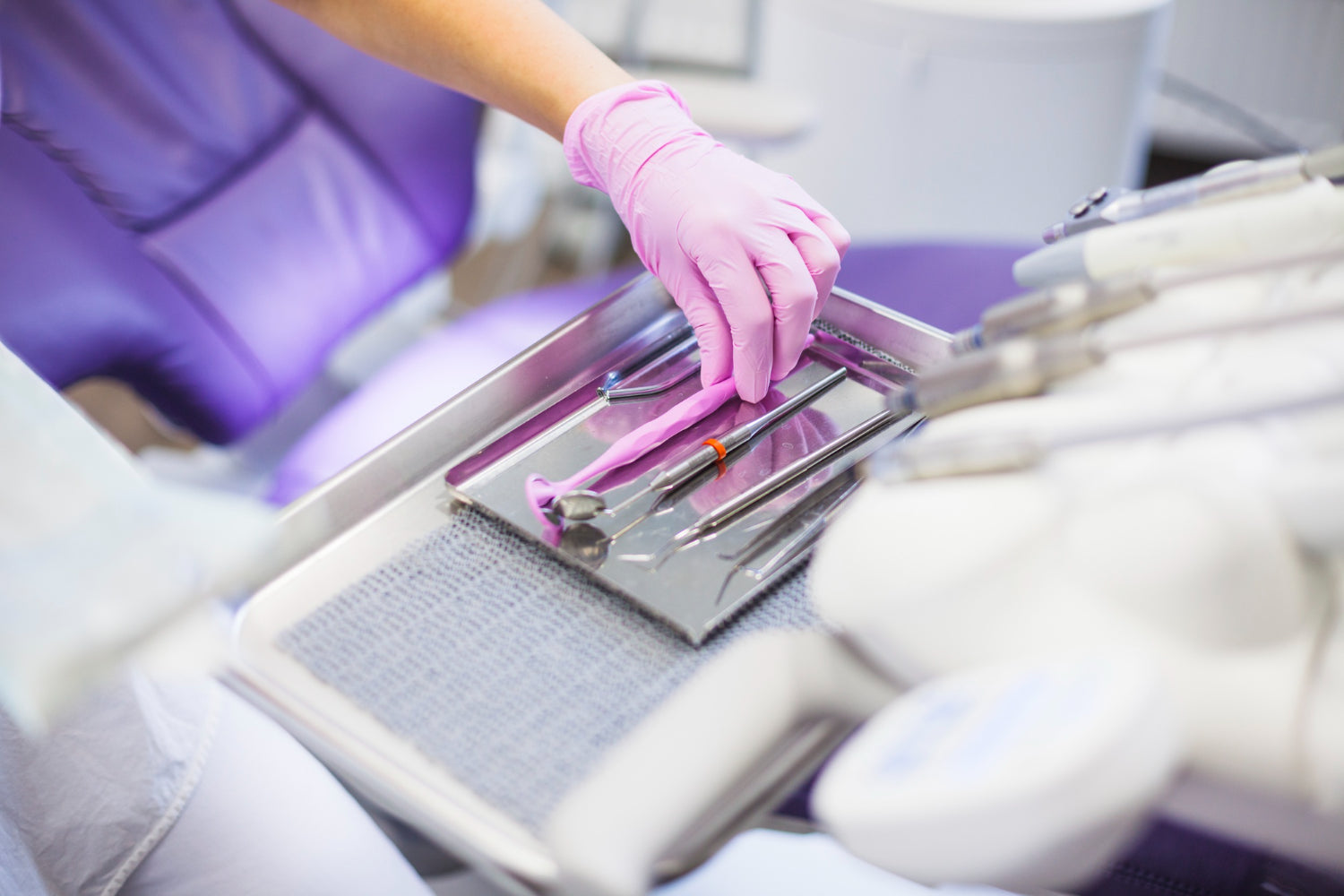
Surgical tools are part of daily life for hospitals, surgeons, and medical teams across North America. But just making a purchase isn’t where the job ends. Getting the most out of every piece, whether it’s used once an hour or once a week, can turn a regular setup into a smoother, safer, and more comfortable one for everyone involved. That includes the people on the table and those standing beside it. With so much surgery equipment for sale, it helps to step back and think about how to choose, use, and support the tools already in your hands.
There aren’t always big budgets or brand-new layouts. But even with current space and staffing, we can make small updates that save time, reduce stress, and improve care. Here's how to use what we have better, and set ourselves up for easier seasons ahead.
Preparing Your Space for Better Workflow
The way we organize our stations affects every step of the day. When equipment is too far, or paths are blocked, even five extra seconds can stack up. That’s why setting our space around our most-used procedures makes a difference.
• Keep the tools you reach for most within arm’s length, whether it’s retractors, clamps, or suction.
• Mobile carts offer flexible help. Whether it’s a dental cart or an over-the-patient instrument table, placing it where it's needed, not where it fits best, creates flow.
• Clear walkways allow for quicker movement and cleaner handoffs, especially during busy hours or emergencies.
A good workflow doesn’t mean having everything visible at once. It means placing what we need, right when we need it, without overloading the space. Teams that regularly revisit their setup notice minor changes can lead to smoother days. Periodic audits help spot clutter or discover where high-traffic areas may slow things down. Encourage team members to provide feedback, as minor obstacles in daily routines often point to the greatest opportunities for growth. Think about movement patterns, and ensure there is always a clear, efficient route from prep to point-of-care.
Keeping Surgical Tools in Top Shape
No matter how advanced a tool is, if it’s dull, dirty, or damaged, it’ll slow us down. Keeping everything in top working order helps more than we think.
• Clean tools right after use whenever possible. Following each item’s care guide helps it last longer and perform better.
• Store hand instruments, surgical blades, and tunneling sets where they won’t bump, rattle, or collect dust. Protected trays and organizers come in handy.
• Steam sterilizers give a consistent and trusted clean. They’re especially useful when schedules get tighter and there’s less time between procedures.
Small habits like checking for cracks or bent tips during drying can prevent larger problems later. A stitch missed now can mean a redo later on.
Maintenance routines can be made easier with clear schedules and checklists tailored to each department’s workflow. Keep records of when instruments are serviced or replaced to support accountability and to help quickly identify recurring wear. When tools are tracked and labeled, storage and rotation become more reliable, reducing risks of accidental contamination. Simple reminders at the cleaning station go a long way in strengthening team habits.
Proper handling reduces risk of major delays. If everyone knows their part in the process, tools make it back to the shelf fast and in good shape. Invest in regular education on best practices for cleaning and handling, since sharing information consistently leads to an environment of continuous improvement. Your equipment is only as strong as the care you provide it between uses.
Adapting to Seasonal Changes and Demands
As winter approaches, things shift. Gloves get thicker. The air gets colder. Waiting rooms fill up. Adjusting equipment for these seasonal pressures can make teams more comfortable and better prepared.
• Infection control becomes an even bigger focus. Using carts to separate sterile and used supplies helps limit mix-ups.
• Keep surgical lights in positions that fight natural light changes, especially as days get shorter.
• Hemostasis tools and wound closure supplies should stay easy to reach when emergencies rise during flu season.
Preparation isn’t just about weather. It’s about managing the flow of people and pressure during peak months and knowing our setup works even when everything else gets busier. Being proactive with restocking supplies and checking equipment during seasonal shifts can prevent shortages at critical moments. Work with staff to anticipate what might need to be closer at hand, and label storage for common and seasonal items. If your space is shared by multiple users or disciplines, consider setting aside specific kits or trays adapted for busy months.
Colder months often mean adjustments in heating or humidity, which can affect both team comfort and instrument function. Ensure that equipment sensitive to temperature is regularly monitored, and calibrate devices as needed following manufacturer guidelines. This attention to environmental factors keeps both staff and technology running smoothly. Breakdowns or slowdowns often occur when small adaptations are overlooked, so plan ahead and communicate adjustments clearly to everyone involved.
Getting the Right Tools for the Work You Do
Having the right tools makes the job faster and safer. But that doesn’t always mean more. In fact, too much can get in our way, both physically and mentally.
• Focus on tools that match the services your team most often provides, avoiding that crowded, overstocked feeling.
• Tools like suture sets, over-patient instrument tables, or operating room equipment need to work together, not fight for the same corner.
• As your clinic changes, consider surgery equipment for sale that adds flexibility without locking you into giant systems.
Planning with purpose helps us build setups that move with us, not just sit in the room waiting to be used. Write out a list of regular procedures and assess which instruments are consistently used. Reassign or store away extras that tend to go untouched, and create a small system for rotating less common items so drawers are uncluttered. When considering new equipment, check for compatibility with what you already use and how easily new items can be integrated with minimal disruption. Consult your clinical team during selection, as their firsthand experience will highlight what is essential and what hinders day-to-day performance.
Streamlined setups are easier to maintain, resulting in fewer misplaced items and a more confident team. When each tool has a clear role and place, it reduces decision fatigue and smooths transitions between procedures. Scheduled reviews of your inventory balance prevent the slow accumulation of unused equipment over time. Simplicity at the core of your plan gives flexibility to adapt without becoming overwhelmed.
Small Steps That Add Up to Big Improvements
Working smarter doesn’t have to mean big spending or full remodels. It usually comes from adjusting routines, listening to what slows us down, and making simple fixes that lift those daily pressures.
Re-thinking how tools are arranged, how often we check them, or where we clean them can give us back minutes, energy, and peace of mind. The more clearly we move as a team, the more room we have to focus on the people we’re helping.
Sometimes, the simplest fix is the most effective. If a storage bin is always disorganized after a certain shift, evaluate if it needs to be better labeled or if the bin needs to be upgraded. Use colored tape or symbols to create visual cues for where items belong, making it easier for new and seasoned staff alike. Encourage frequent, honest feedback sessions about workflow, since fresh eyes catch inefficiencies that become invisible over time. Customizing minor details in your workspace acknowledges the unique habits and needs of your clinical team.
Season by season, we learn what works and what doesn’t, and that shape of improvement adds up. With thoughtful use of the tools we have now, we’re already setting ourselves up for better results down the line. The journey to an ideal setup is rarely immediate, but small, steady improvements help your team adjust and thrive alongside evolving technology and healthcare standards.
At ProNorth Medical, we understand how essential the right setup is for surgeons and clinical teams who depend on reliable equipment every day. From lighting and tables to instruments and carts, choosing quality, flexible solutions means everyone can stay focused and reduce stress. Whether you're rethinking your workspace or adapting to new procedural requirements, our selection of surgery equipment for sale supports the efficient flow you need. Reach out today to discuss how we can help improve your setup.

Leave a comment
This site is protected by hCaptcha and the hCaptcha Privacy Policy and Terms of Service apply.