
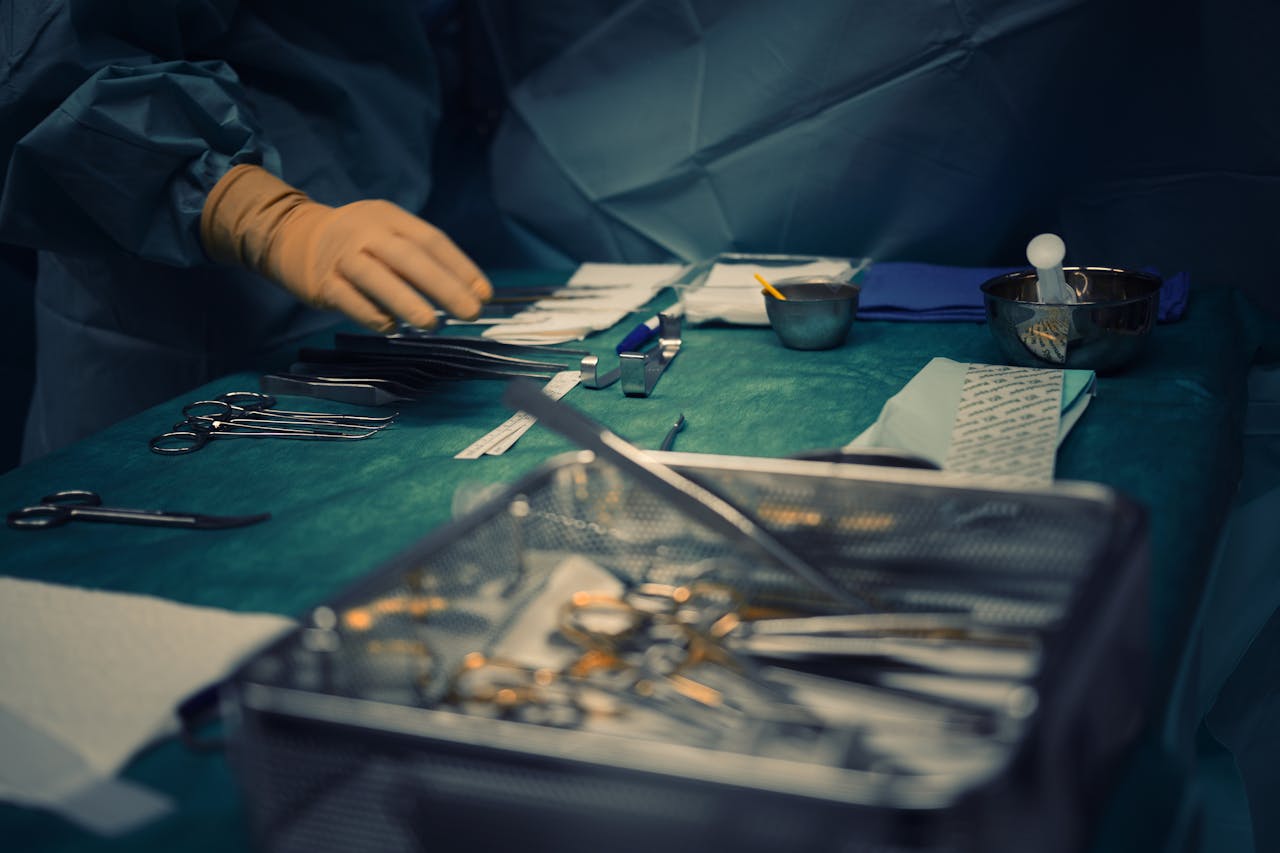
Surgical stapler errors are often preventable, especially in busy dental and oral surgery clinics. When a surgical stapler misfires or creates a weak staple line, it is not just frustrating; it can slow the case, affect healing, and increase stress for the whole team. Focusing on simple habits and better systems can make these tools safer and easier to use during everyday procedures.
In Canadian practices, spring and summer often bring a surge of elective cases once winter slowdowns pass. That means more implant surgeries, extractions, grafts, and soft tissue work, and more chances for small stapler mistakes to slip through. In this article, we will look at why errors happen, where they show up most often, and what dental teams can do to prevent problems before a stapler ever touches tissue.
Stop Surgical Stapler Errors Before They Start
In a busy clinic day, it only takes one wrong cartridge, one rushed check, or one worn device to turn a smooth case into a stressful one. A stapler that will not fire or creates an uneven line can mean extra bleeding, extra time, and extra suturing when everyone is trying to move on to the next patient.
Preventing stapler errors matters for three main reasons:
- Patient safety and healing
- Clinical efficiency and schedule flow
- Medico-legal risk and documentation
When teams plan ahead, standardize devices, and keep training simple and clear, many common issues can be avoided. At ProNorth Medical, we see how thoughtful choices around a surgical stapler, sutures, and other tools help Canadian clinics work more safely, not just react when something goes wrong.
Why Stapler Errors Happen in Busy Canadian Clinics
Most stapler problems do not come from one big mistake. They usually come from a mix of pressure, habits, and system gaps.
Common pressure points include:
- High case volumes during spring and summer schedules
- Staff fatigue at the end of long days
- A push to turn rooms quickly and stay on time
Human factors play a big role. Teams may rely on the idea that a stapler is “just like suturing,” so they skip checks they would never skip with other tools. New staff might get a quick hallway demo but no structured training. Surgeons, assistants, and sterilization staff may each assume the others know how each brand of stapler works.
System issues add to this:
- Mixed inventories from different manufacturers
- No clear protocol on which stapler to choose for which tissue
- Incomplete pre-use checks and no formal backup plan
- Near misses that never get written down or reviewed
In many modern clinics, medical, dental, and sometimes veterinary teams share storage areas. If everyone uses different brands or cartridge colours with no shared guide, it is easy to grab the wrong device under time pressure.
The Most Common Surgical Stapler Mistakes to Watch
While every clinic is different, we see the same patterns again and again.
Misfiring and incomplete staple lines often come from:
- Using the wrong cartridge for tissue thickness
- Loading expired or damaged cartridges
- Incorrect seating of the cartridge in the stapler
- Firing before tissue is fully aligned and compressed
Tissue damage and leaks may show up when:
- Too much tissue is packed into the jaws
- Tissue edges are not lined up correctly
- Gauze, drapes, or other material gets caught
- Fragile or swollen tissue is stapled without adjustment
Teams can also reach for the wrong type of stapler for a case. For example, using a skin stapler for a task that really calls for an internal device, or choosing a linear stapler where a circular design is needed. This is more common in practices that also do medical-style procedures or share space with other specialists.
Workflow errors matter too: skipping a test fire when the device calls for it, not checking staple formation, tossing out a faulty stapler without noting the issue, or, in some small settings, reusing a single-use device in ways that are not recommended.
Step-by-Step Checks Before Firing a Surgical Stapler
A short, consistent checklist can prevent many of these problems. It does not need to be complicated to be effective.
Before the procedure, make sure to:
- Confirm the correct stapler type and size for the plan
- Match cartridge colour to tissue thickness and case type
- Check expiry dates and that packaging is intact
At the field, teams should:
- Visually inspect the device and cartridge seating
- Perform a test fire if the manufacturer advises it
- Confirm jaws are clean and moving smoothly
- Ensure backup devices and extra cartridges are close at hand
Right before firing, focus on tissue:
- Only include the intended tissue in the jaws
- Avoid over-stuffing, especially near delicate structures
- Line up edges or the anastomosis carefully
- Respect any recommended compression time before firing
After firing, do not rush past the result. Inspect the staple line for gaps, bleeding, or twisted staples. Deal with any defect right away instead of hoping it will fix itself. For wound closure cases, combining a clean staple line with reliable dental and medical sutures can give an extra layer of security.
Training, Protocols, and Device Standardization That Work
Simple, written protocols can turn stapler use from “everyone does it their own way” into a shared, safe process. Good protocols usually include:
- Clear rules for selecting, loading, and disposing of each stapler
- Visual charts that match cartridge colours to tissue thickness
- Steps for what to do if a misfire or defect occurs
Training should not be a one-time event during orientation. Short refreshers, quick in-service demos, and practice with simulated misfires help keep skills sharp for surgeons, dentists, assistants, and technologists. Competency checklists that reflect Canadian expectations for safe device use can support this.
Standardizing products across the clinic helps a lot. Instead of juggling many different brands, limit staplers and cartridges to a smaller, vetted group so staff can learn them well and stock is easier to manage. A strong reporting culture, where staff can note misfires or near misses without blame, helps your quality team adjust protocols and product choices over time.
Smart procurement choices support all of this. Matching purchasing plans to the clinic’s case mix, including seasonal bursts of implants, grafts, and oral surgery, helps keep the right devices on hand. Reliability, ergonomic design, clear labelling, and access to education often matter more than the lowest price on paper. Consistent seating, such as a supportive saddle stool, also plays a quiet part in reducing fatigue and handling errors.
As spring and summer volumes build, this is a natural time to revisit how your clinic uses a surgical stapler. By understanding where errors come from, building simple pre-firing checks, strengthening training and reporting, and standardizing devices through a trusted Canadian supplier, dental and oral surgery teams can turn stapler risk into a safety advantage and keep patient care steady, even on the busiest clinic days. To see what is possible with better device choices, you can explore dedicated stapler options in the surgical staplers collection from a Canadian-focused partner like ProNorth Medical.
Equip Your Team With Reliable Surgical Closure Solutions
Choose instruments that support better outcomes by pairing high quality sutures with a surgical stapler designed for consistency and control. At ProNorth Medical, we focus on products that help your team work efficiently while protecting patient safety. Explore our curated selection today so you can standardize your closure workflow with tools you can trust. If you have specific procedural needs, reach out and we will help you find the right fit for your practice.

Leave a comment
This site is protected by hCaptcha and the hCaptcha Privacy Policy and Terms of Service apply.