
When we spend most of the day focused on patients, it can be easy to overlook how much strain our own bodies take on. For many dental and veterinary professionals, long appointments and back-to-back procedures are part of a typical day. That means sitting, reaching, turning, and leaning, again and again, often while staying in the same seated position for hours. The right stool can help make a big difference in how we feel at the end of a long shift. That’s one reason why the saddle stool has become a go-to seating option in so many clinics.
A saddle stool is shaped to follow the natural curve of the hips and allows the spine to stay upright. It doesn’t feel like a regular chair, and that’s partly what makes it stand out. Most clinicians aren’t just sitting, they're pivoting between tools, turning toward monitors, and adjusting to new positions quickly. In this post, we look at why saddle stools are a practical choice and how they help support comfort, posture, and focus in the middle of busy workdays.
Why Posture Matters in Clinical Work
Working in a clinic environment means dealing with strain in ways we may not always recognize right away. Whether it’s leaning forward during a procedure or sitting still during a long session with minimal breaks, poor posture can cause discomfort fast.
- Bad seated posture reduces the natural curve of the spine, which can trigger lower back or hip tightness.
- Over time, strain builds in the shoulders and neck, especially when arms and hands stay elevated or forward.
- Static positions make it harder to shift weight evenly, leading to fatigue and soreness that lingers long after the day is done.
Good support is just as important when sitting as it is when standing. That support should allow easy movement while keeping the body in a neutral position. If a chair forces us to slouch or lean into awkward angles during tasks, we use extra effort to compensate without noticing. The idea is to make small adjustments feel smooth and natural, without needing to think about posture every few minutes.
Keeping alignment upright but relaxed doesn’t just make us feel better physically. It also helps us stay focused on the work in front of us instead of being distracted by aches or tight muscles.
How Saddle Stools Support Movement and Comfort
A stool with a raised, sloped seat may look different, but its shape serves a real purpose. When we sit on a saddle stool, it supports an open hip angle, which allows the spine to stay in its natural S-shape. That keeps the upper body more relaxed and balanced without feeling stiff.
- The raised seat encourages an upright stance without leaning back or hunching forward.
- Hip joints are open rather than compressed, which removes pressure from the lower back and base of the spine.
- It’s easier to pivot, scoot, or move side to side without needing to plant both feet flat on the floor all the time.
Many of us work close to patients or equipment that requires small body adjustments. Having the ability to move freely matters, especially in tight rooms or when shifting between tasks. A saddle stool lets us glide and adjust without losing balance or breaking focus. That kind of low-effort movement adds up over the course of a long day, letting us stay more comfortable and present.
ProNorth Medical’s saddle stools feature five-leg rolling bases, antimicrobial vinyl, and tilt/height adjustments for smooth mobility and easy cleaning in dental or medical clinics.
Use in Dental and Veterinary Environments
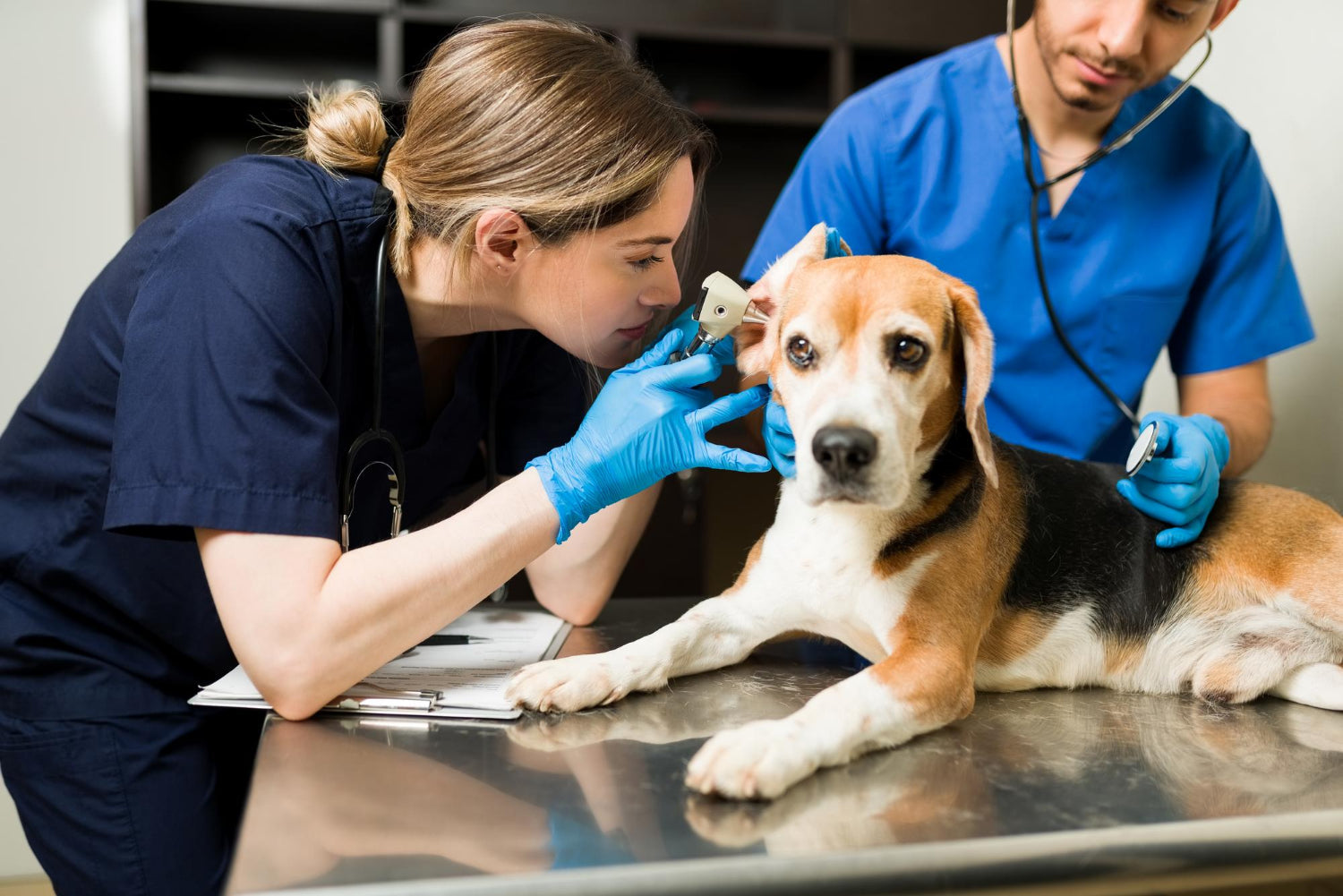
In both dental and veterinary settings, space can often be tight. Between assistant chairs, instruments, and patient surfaces, we rely on compact seating that fits into the flow of the room rather than getting in the way.
- Saddle stools make it easier to work in rooms where space is shared or limited.
- The seat encourages movement in multiple directions without needing to stand or shift the entire chair.
- Clinicians can stay close to the action, whether it’s a dental cleaning or a routine animal check, while still keeping posture upright.
The task-driven nature of these work environments means we don’t often stay still for very long. We shift focus from the patient to a screen, then to a set of tools, and back again. A rigid chair can make that tiring. A seat that lets us stay mobile without standing up is better for focus, energy, and ease.
The saddle stool also supports close-up precision, since our arms and hands are often working in a small area. When our base is secure and our posture is level, it’s easier to keep our hands steady and reactions smooth.
ProNorth Medical’s stools are available in split and solid seat styles with height-adjustable frames, high-density padding, and antimicrobial finishes to suit dental and veterinary teams across Canada.
What to Look for in a Good Saddle Stool
Not every stool works for every task. The right seat should match the kind of work being done in the room and support the natural shape of the person sitting in it. While preferences vary, there are a few things most clinicians pay attention to.
- Height is important, especially when switching between different types of work. A good saddle stool should adjust to allow natural hand positioning.
- The base should have smooth-rolling wheels that move freely on clinic floors without causing drag.
- The seat itself should be shaped to match your frame so it feels supportive, not awkward or stiff.
Some stools offer a split seat, others are solid. Some tilt slightly forward, while others stay level. What matters most is that the seat supports upright posture without forcing us into a hard angle. It shouldn't feel like a balancing act or like there’s pressure on any one part of the body.
Trying out options before deciding what feels right is always helpful, especially when multiple clinicians share the same room. Comfort, ease of movement, and long-session support tend to be the most talked-about factors. If a stool can quietly support those three, it’s worth considering.
Easier Days with Better Seating
The right seating doesn’t just help with posture, it supports how we move, think, and feel throughout the day. A good saddle stool lets us shift, steady, and stay focused as we move through appointments. There’s less effort to sit tall, fewer distractions from discomfort, and more chances to end the day without that deep fatigue that can build up over time.
Clinics that rely on clear vision, close work, and steady hand control often choose seating that helps their teams stay present and comfortable. For many dental and veterinary professionals, that means reaching for a saddle-style stool that keeps up with the pace of the room without adding strain to the day.
ProNorth Medical delivers fast across Canada and stands behind ergonomic seating and exam stool options built to improve energy and mobility from morning appointments to closing time.
At ProNorth Medical, we understand how choosing the right seating can improve precision, support posture, and enhance comfort throughout busy clinical days. A well-balanced saddle stool can minimize strain and help maintain ergonomic flow during even the longest procedures. Whether you need added mobility in compact spaces or extra stability for delicate tasks, the right seat makes daily work feel smoother. Reach out with any questions, our team is always here to assist.


Leave a comment
This site is protected by hCaptcha and the hCaptcha Privacy Policy and Terms of Service apply.