
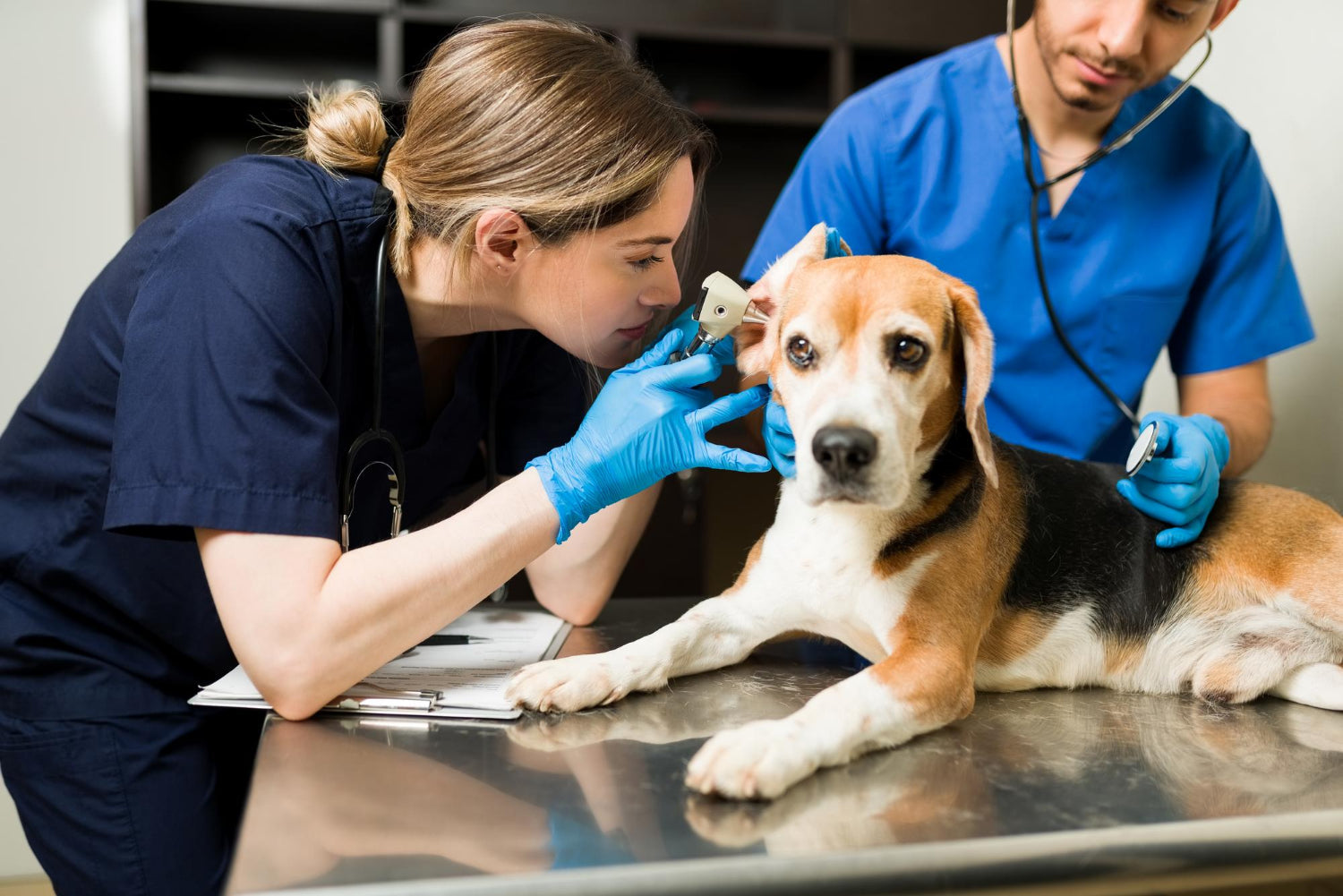
When it comes to running a veterinary clinic, the right tools can make the difference between a smooth workday and a stressful one. Equipment has to keep up with your staff, your patients, and your schedule, especially as spring brings longer days and a busier caseload. Picking the wrong setup, or not thinking it through fully, can lead to extra work and frustration. Even with help from a trusted veterinary equipment supplier, there are still slip-ups that can slow you down.
This time of year is when many clinics take a closer look at what they need and what needs replacing. That is why now is an ideal moment to catch the common mistakes that come with new equipment and figure out how to avoid them.
Rushing Into Purchases Without a Setup Plan
It is easy to get excited about upgrading. New tools mean faster procedures, better results, and less wear on older backups. But jumping straight into a purchase without a layout plan can lead to problems that are hard to fix later.
- Equipment may be too large for certain rooms or block movement during treatment.
- If power sources or water lines are not close by, setup could require added work or delay.
- Tools need to be stored, cleaned, and accessed quickly, if that is not built into the flow, time suffers.
We have found it helps to slow everything down just one step. Make a simple space map. Walk through a treatment with the new item in mind, even if it is not there yet. Talk with staff about placement, spacing, and daily use. Planning ahead cuts down on backtracking later.
Sometimes, clinics are tempted to order popular equipment just because another practice used it, but what works for one may not suit your unique space. Assess the specific dimensions of your procedure rooms, hallways, and storage areas. Consider how workflow could be interrupted if equipment is awkward to move or creates congestion for staff moving between patients and stations.
You might also want to envision emergency scenarios. Ask, “If I need rapid access to this equipment, will a room’s size interfere?” By running through daily scenarios for both routine and unexpected events, your practice is more likely to invest in items that help, not hinder, care quality. Bringing in staff from every department to contribute input ensures all roles, from veterinarians to cleaning staff, are considered in planning.
Take time to involve those who handle equipment day-to-day in the planning process. When everyone’s feedback is incorporated, equipment fitting and setup become more streamlined and effective.
Not Training Staff for New Equipment
Buying a new piece of equipment does not mean it is instantly ready for patient use. Every tool, even one that looks simple, has small details that need to be learned. Too often, clinics forget to build time into the switch for learning and hands-on practice.
- Staff assume others already know how it works or how to troubleshoot.
- Training sessions, if skipped, leave people guessing on busy days.
- Some vendors offer help but clinics do not always ask for it.
It is worth giving your team a low-pressure chance to explore the equipment when it first arrives. Check that everyone knows how to turn things off safely, clean them without damage, and spot wear early. Practice runs with stand-in cases can give people confidence before high-pressure moments.
Staff are often eager to jump into using new tools, but the smallest misunderstandings can lead to disruptions or even safety concerns. Allocate enough time before launch to let each team member have hands-on experience with the new device. Frequently, vendors will supply tutorial videos, manuals, or in-person demonstrations, take full advantage of these resources. Encourage staff to ask questions, experiment in a non-clinical setting, and even create quick-reference guides that remain accessible in treatment rooms.
Simulated exercises or mock setups using the new equipment help reveal overlooked features or common pain points. As you watch staff become more comfortable, confidence grows and the transition on busy days becomes much smoother.
Finally, regular refreshers or quick reviews during staff meetings can reinforce good habits and allow new or temporary team members to catch up. This ongoing approach makes staff more adaptable to updates or future technology upgrades.
Choosing Products That Do Not Match Patient Volume
What works well in a small clinic might not hold up in a fast-moving one. The tool might be the right type but wrong size. Or maybe it heats too fast, runs out of power mid-procedure, or takes too long to clean between uses. Matching equipment to your case types and schedule matters.
Working with a knowledgeable veterinary equipment supplier helps avoid these mismatches, especially when you handle both quick checkups and longer procedures each day.
- Look for features your most common treatments need.
- Choose tools that match the number of patients you see.
- Ask about durability, especially if the item gets daily use.
Some clinics find it helpful to keep a short list of their highest-use tools and track how often they get used each week. That makes it easier to spot when something is not pulling its weight or was never the right fit to begin with.
Evaluating patient flow and procedure types over several weeks can give an accurate sense of which equipment truly keeps up. Take honest stock of your busiest days, are certain machines frequently in use, while others remain dormant? If a device seems to fall behind, regularly needs replacement, or is always in need of repair, it’s worth reconsidering if it fits the clinic’s demands. Develop a process for reviewing equipment performance at regular intervals.
Work closely with your supplier to discuss your pain points and present them with your day-to-day challenges. Their insights can help match your needs to the right solutions, sometimes revealing better alternatives that weren’t initially considered.
Ignoring Maintenance and Replacement Schedules
Even a great piece of equipment only performs well if it is looked after. It is easy to forget about maintenance when schedules get tight, but skipping care shortens tool life, and raises the chance of breakdowns at the worst time.
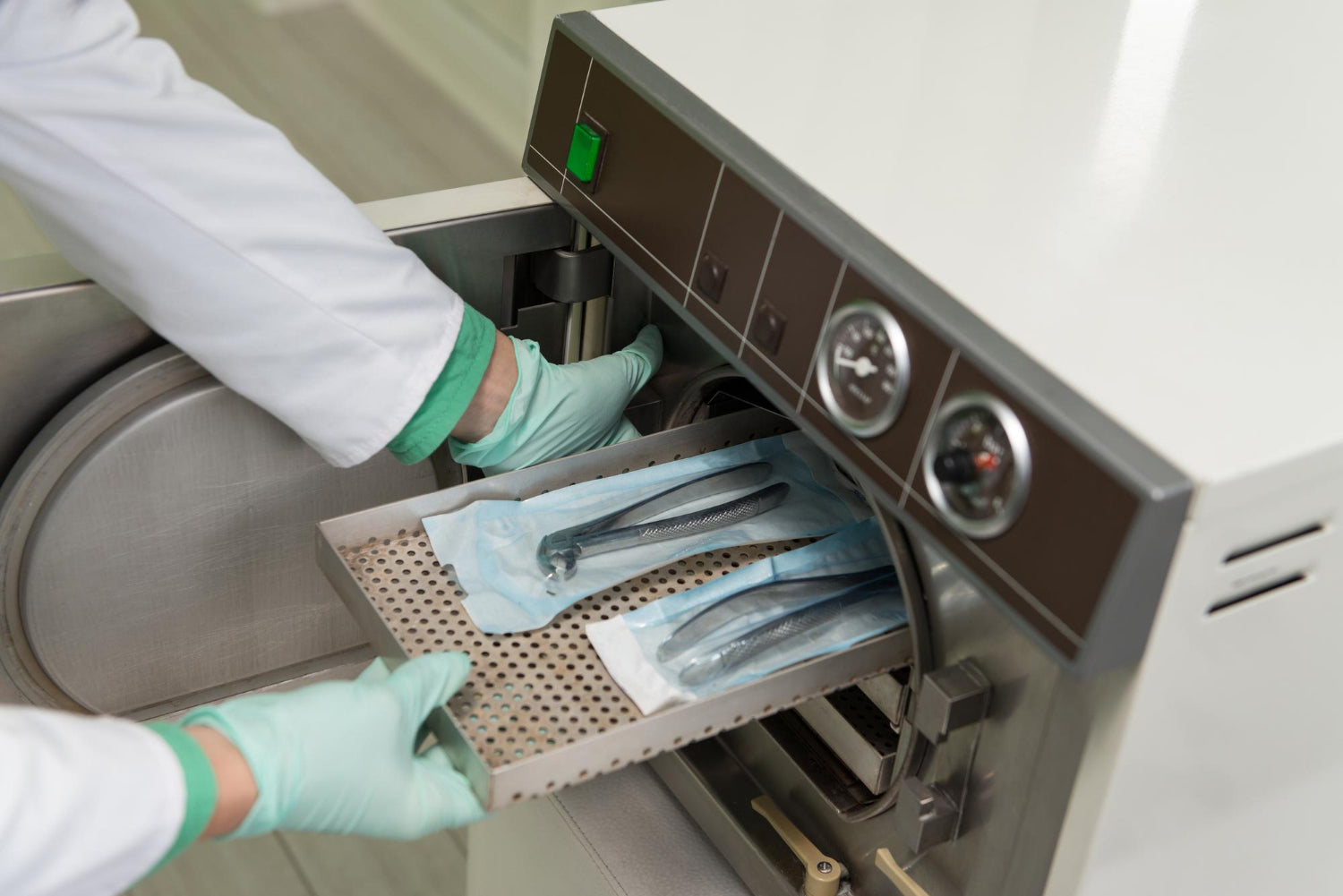
- Steam sterilizers need regular attention for safety and long-term use.
- Surgical blades dull faster than they seem to.
- Hand instruments may need sharpening or tightening after weeks of use.
One way to keep up is to start a shared clinic log or visual checklist. That way, everyone can quickly check when a device was last cleaned thoroughly or when a part needs to be swapped out. It cuts down on confusion and makes it easier to spot problems before they grow.
Preventative maintenance routines, including regular inspections, replacement of consumables, and documenting use patterns, can greatly extend the lifespan of your investments. Routine checks help detect issues long before they interrupt work. Additionally, visual reminders posted in equipment storage or sterilization areas can help remind staff of upcoming service dates.
Assigning clear responsibility for each piece of equipment ensures nothing gets overlooked. Small color-coded tags or stickers can denote upcoming service dates at a glance, helping everyone stay accountable.
Proper maintenance practices not only protect your equipment but also foster a culture of pride in your clinic’s working environment.
Staying Ready During the Busiest Weeks
Spring is often one of the busiest seasons for veterinary care. More daylight hours and warmer weather mean more outdoor injuries, planned surgeries, and checkups. When your equipment matches your space, pace, and team, your practice runs smoother.
By catching common mistakes early, before the days get even busier, we save time and avoid the frustration that comes from working around tools that just do not fit. The right planning now keeps your clinic focused on what really matters: the care you give every patient.
Beyond equipment, keeping an open dialogue among staff also helps highlight workflow issues that may have gone unnoticed. Encourage team members to share their daily experiences, so any recurring challenges tied to equipment can be brought forward and analyzed. This shared communication ensures small issues are resolved quickly and the whole team feels supported during peak seasons.
Seasonal readiness is a mindset as much as a process. Keeping flexible and open to small improvements throughout the year keeps both equipment and staff in top shape, preventing unexpected slowdowns and creating a positive environment for everyone in your clinic.
Ensure your clinic is well-prepared and efficient by choosing the right veterinary equipment supplier. At ProNorth Medical, we understand the importance of having reliable tools to provide the best care for your patients. Our range of products is designed to meet the specific needs of veterinary practices, helping you avoid the common pitfalls of equipment mismatch. Trust us to provide the expertise and quality that keeps your clinic running smoothly, allowing you to focus on what matters most—your patients.


Leave a comment
This site is protected by hCaptcha and the hCaptcha Privacy Policy and Terms of Service apply.