
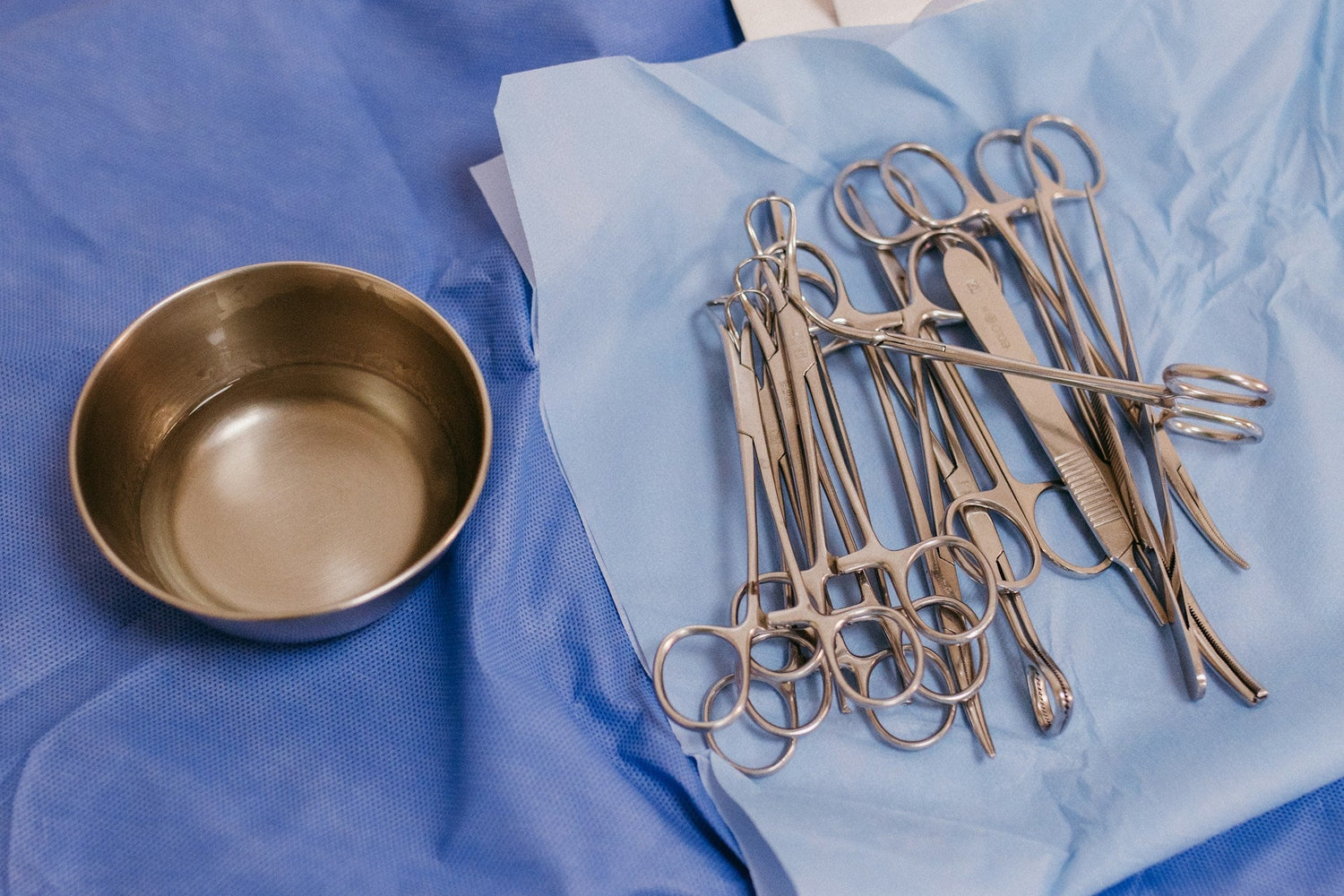
Veterinary clinics rely on the right surgical tools to give animals the best care possible. And as every year brings new ideas, surgical instruments for veterinarians are getting smarter, easier to use, and more adapted to each clinic’s need. These changes aren’t just about looks or materials, they help cut down on time, reduce stress on staff, and make each procedure feel a little smoother for everyone involved.
Heading into spring, it's a good moment for veterinary teams to step back and look at where their tools may be headed. Whether it’s lighter instruments or compact tools for smaller patients, the future is full of promise. Let’s walk through some of the key trends we see shaping the direction of surgery tools in animal care.
Smarter Designs for Everyday Use
Surgery days can take a toll, especially when tools don’t feel quite right in the hand. Modern designs are moving toward comfort and control. Instruments are becoming lighter with better balance, making long procedures less tiring for veterinarians.
- Tools with ergonomic grips reduce hand fatigue and improve steadiness during delicate work.
- Slimmer shapes and specialized angles help with visibility and access in tight spaces.
- Instruments built with sharper tips or more refined edges allow for cleaner incisions and smoother movements.
Veterinarians across the globe have shared how improved design has allowed for not only more comfortable procedural flows but also a greater sense of confidence among new clinic staff. The ability to more easily grip or manipulate an instrument means fewer mistakes and more positive results, even in faster-paced or high-pressure cases.
This shift in design isn’t about changing how vets do their job. It’s about letting the tools support their hand instead of working against it. The result? Less strain, more control, and more confidence through back-to-back procedures.
ProNorth Medical supplies a wide range of veterinary hand instruments with ergonomic designs, lightweight stainless steel builds, and sharpened profiles, including scissors, forceps, and needle holders to reduce daily strain.
Adapting to Smaller Patients and Unique Needs
Veterinary tools need to do much more than what their human surgery counterparts can offer. That’s because animals come in all shapes and sizes, and some of them require very careful handling.
- More clinics are using scaled-down surgical blades and hemostasis tools for birds, reptiles, and other small animals.
- Specialty sets for dental, cosmetic, or ophthalmic surgeries are helping vets treat a wider variety of conditions.
- Versatile hand instruments that can shift between routine and unique procedures are becoming a go-to.
Vets working with both household pets and rare birds often point out the practical difference that specialist instrumentation brings. A finely tipped forceps, for example, can make oral surgeries in rabbits or beak repair in parrots possible without undue risk to the animal or the vet. And, as interest in exotic animal care and niche pet clinics grows, the awareness of these unique needs only increases among tool manufacturers.
As clinics treat more species or take on different types of procedures, having the right-sized tools for the task can make all the difference. This keeps stress low for animals and allows staff to work with more precision across different cases.
ProNorth Medical offers both standard and miniature-sized veterinary surgical blades, fine-tipped forceps, and micro-instruments which support care for a variety of animal patients, from dogs to exotic pets.
Safer Sterilization and Storage Options
Keeping instruments clean and ready is half the battle. As more clinics try to shorten downtime between cases, changes in material and layout are making it faster to prep and reset.
- New instruments work well with fast steam sterilizers, cutting time between procedures.
- Coatings on steel or alloy tools are making them more resistant to corrosion and general wear.
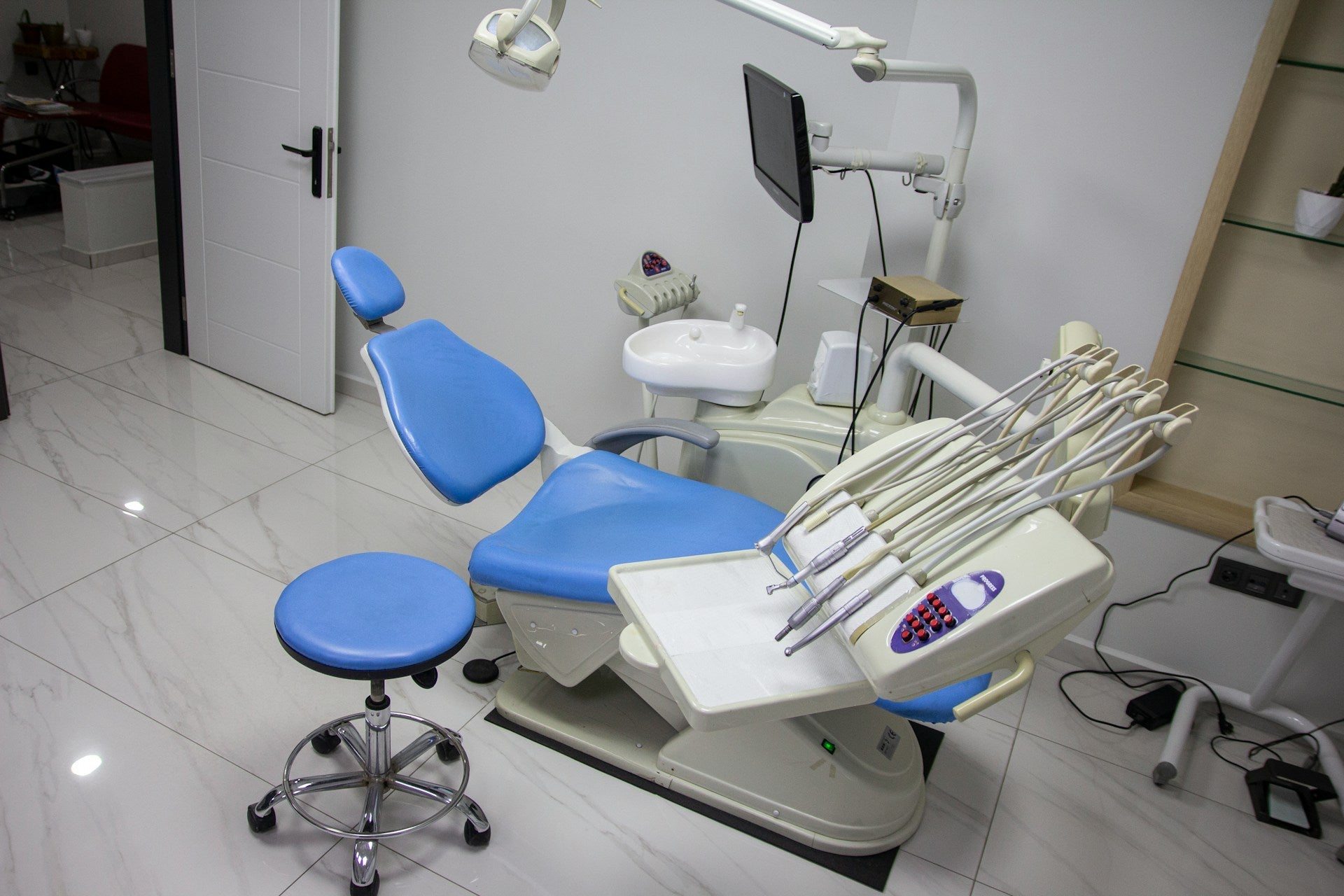
- Over-the-patient instrument tables are now a fixture in many vet clinics, helping staff set up clearly and organize tools within reach.
With high patient turnover, it can be challenging to prevent cross-contamination or tool confusion between procedures. That’s why the recent shift toward smooth surfaces and easy-to-disinfect designs has been so well received. Not only do these materials stand up to rigorous autoclaving, but they also help ensure that each tool is truly ready for the next surgery, a necessity as clinics scale up their appointment volumes.
We’ve seen more push toward smooth, easy-to-clean surfaces and clever organizing solutions. This keeps things moving and lowers the risk of picking up the wrong tool in the middle of a procedure. Less clutter, more focus.
ProNorth Medical’s lineup includes instruments that withstand repeated autoclaving and easy-to-clean over-the-patient tables to match fast-paced veterinary and surgical environments, with prompt shipping Canada-wide.
Tech Integration in the Surgical Suite
Digital planning and high-tech imaging are starting to influence how clinics choose their tools. Surgeries that are mapped or visualized beforehand need instruments that can reliably work in sync with tech.
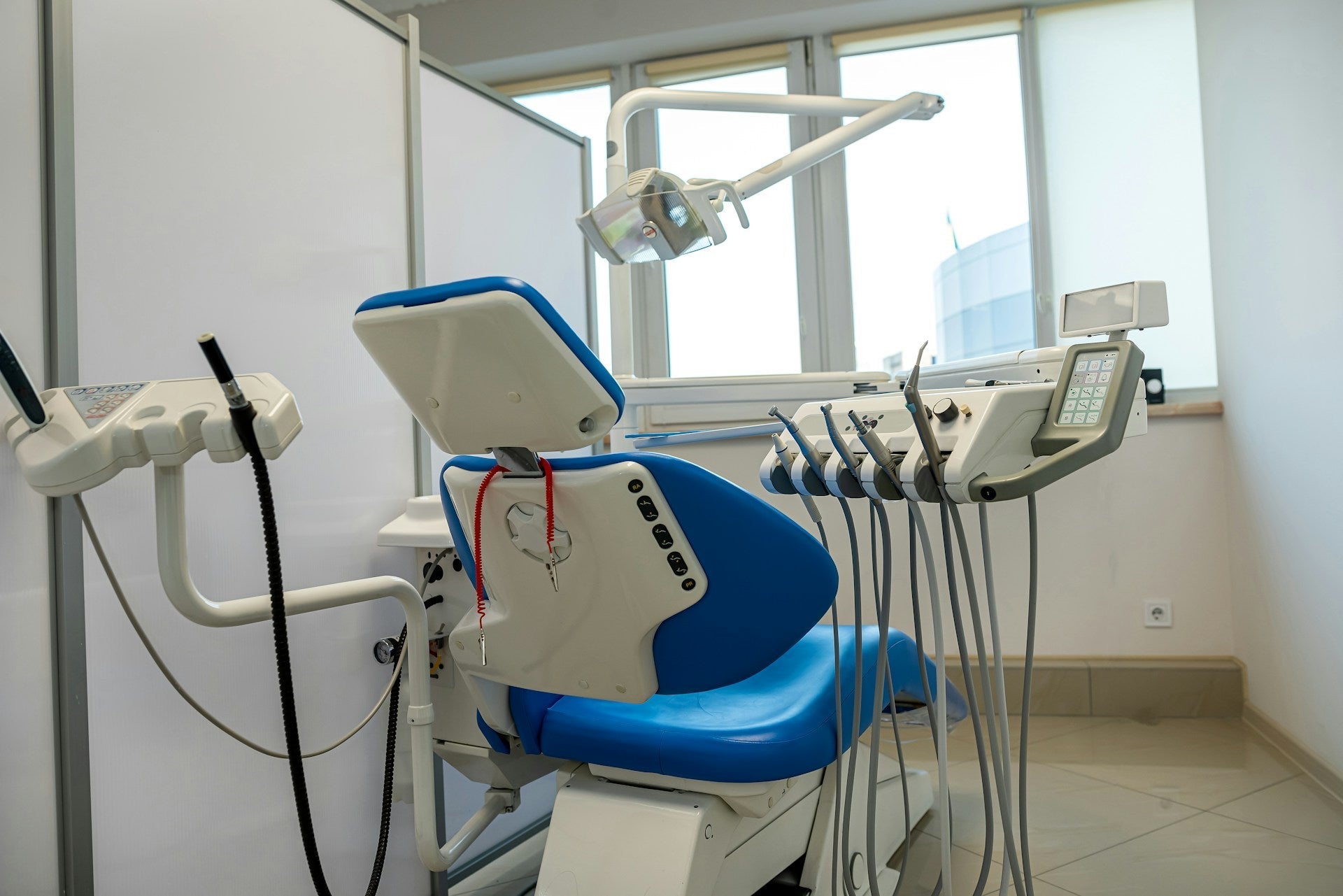
- Some surgical lights now filter heat or adjust automatically when a hand comes near, great for reducing movement mid-surgery.
- Instruments are being designed with simpler profiles to match better with screen-guided systems.
- Operating room equipment is more compact, serving clinics with mobile or limited-space setups.
From preoperative imaging to intraoperative screen guidance, modern surgical procedures increasingly depend on seamless integration with digital systems. This means that hand instruments and lighting equipment need to strike a balance between precision and technology, performing reliably while accommodating evolving imaging tools and sterile field setups. Clinics that invest in compatible devices now will be well-positioned to integrate future technical advances as they arise.
These changes aren’t always flashy, but they reflect how clinics are rethinking their setups to match faster, smarter technologies. When procedures go digitally assisted, tools have to keep pace with the same kind of responsiveness.
Tools That Help Clinics Grow
Surgical instruments aren’t just gear for the table, they’re part of how a clinic evolves. A smart investment today can shape how vets offer care tomorrow. We’ve noticed that veterinary teams are starting to track which instruments help reduce post-op cleanup, which ones ease pressure on the wrist, and which types let them try things they couldn’t do before.
As the veterinary field continues to innovate, clinics that stay informed about equipment trends are able to adopt smarter protocols and offer expanded services. Whether that’s tackling advanced soft tissue repairs or accommodating more species, the right instruments put growth in reach. New models regularly bring improvements not only in performance but also in efficiency, freeing up clinic resources for other projects such as preventive care, client education, or recovery room upgrades.
Keeping track of changes in surgical instruments for veterinarians means staying ahead of new breeds, new conditions, and new client expectations. And when the tools get better, the care follows. Steady improvements in design, size, and compatibility give clinics more options, more flexibility, and more room to grow.
At ProNorth Medical, we focus on helping veterinary clinics work better, not harder. From design upgrades to improved sterilization tools, every detail counts when choosing the right gear. Whether you’re reviewing your setup or planning for new cases this spring, our selection of surgical instruments for veterinarians provides practical support to make each day in your clinic more efficient. We’re here to help you find what fits, so reach out anytime to discuss what your practice might need next.

Leave a comment
This site is protected by hCaptcha and the hCaptcha Privacy Policy and Terms of Service apply.